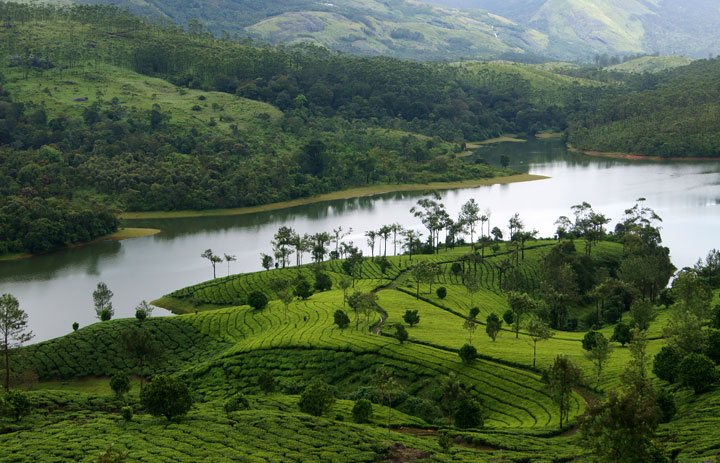


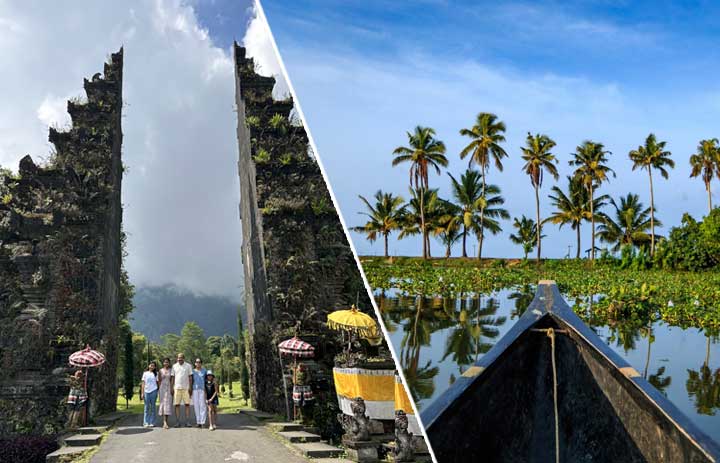
When travelers dream about tropical holidays filled with lush greenery, beaches, spirituality, wellness, and culture, two destinations often stand out – Kerala in India and Bali in Indonesia. Surprisingly, these two destinations share many similarities despite being located in different countries. Yet each offers a distinct travel experience.
So, if you are confused between Bali and Kerala for your next vacation, this guide will help you decide.
Climate and Landscape – Tropical Beauty in Both Destinations
Both Kerala and Bali are tropical destinations with warm temperatures ranging from 28°C to 34°C year-round. Coconut palms, green rice fields, waterfalls, beaches, spice gardens, and misty hills define the landscapes of both places.
Best Time to Visit
- Kerala Tourist Season: October to March
- Bali Tourist Season: May to September
Rainy Seasons
- Kerala Monsoon: June to August
- Bali Rainy Season: October to March
This opposite seasonal pattern makes them excellent alternatives depending on the month you plan to travel.
Culture and Religion – Ancient Traditions Still Alive
One of the strongest similarities between Kerala and Bali is their deep spiritual and cultural roots.
In Bali, Hinduism is the dominant religion, and spirituality is visible everywhere. In places like Ubud, almost every house has its own temple, and daily offerings and rituals are part of life.
Kerala also has a rich Hindu tradition, but unlike Bali, Kerala has a mixed population of Hindus, Christians, and Muslims living harmoniously together. Traditional Kerala Hindu homes usually have a pooja room inside the house rather than a separate temple within the property.
The connection between India and Bali dates back centuries, as reflected in the Ramayana, which serves as an important cultural bridge between the two regions.
Temple Traditions and Dress Codes
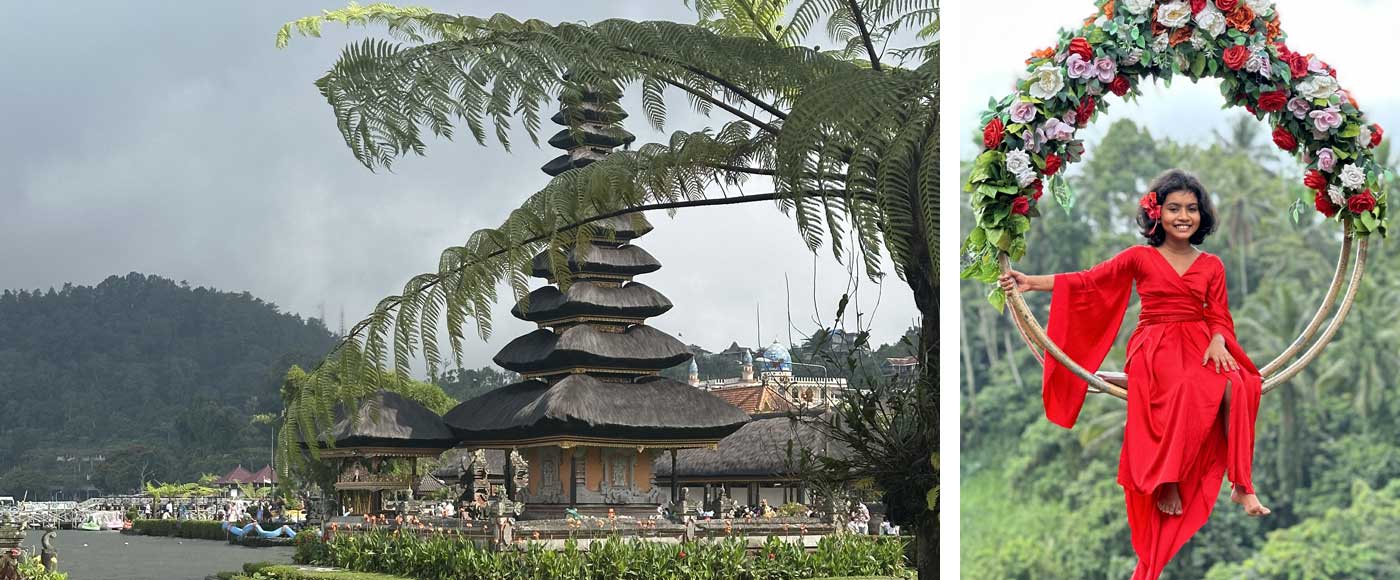
Temples in both Bali and Kerala follow traditional customs and dress codes.
In Bali
Visitors entering living temples must wear:
- A sarong covering the legs
- A sash (selendang) tied around the waist
In Kerala
Many temples follow strict traditional dress codes:
- Men may need to remove shirts before entering
- Women are usually allowed in sarees or churidars
- Some temples restrict entry based on customs and traditions
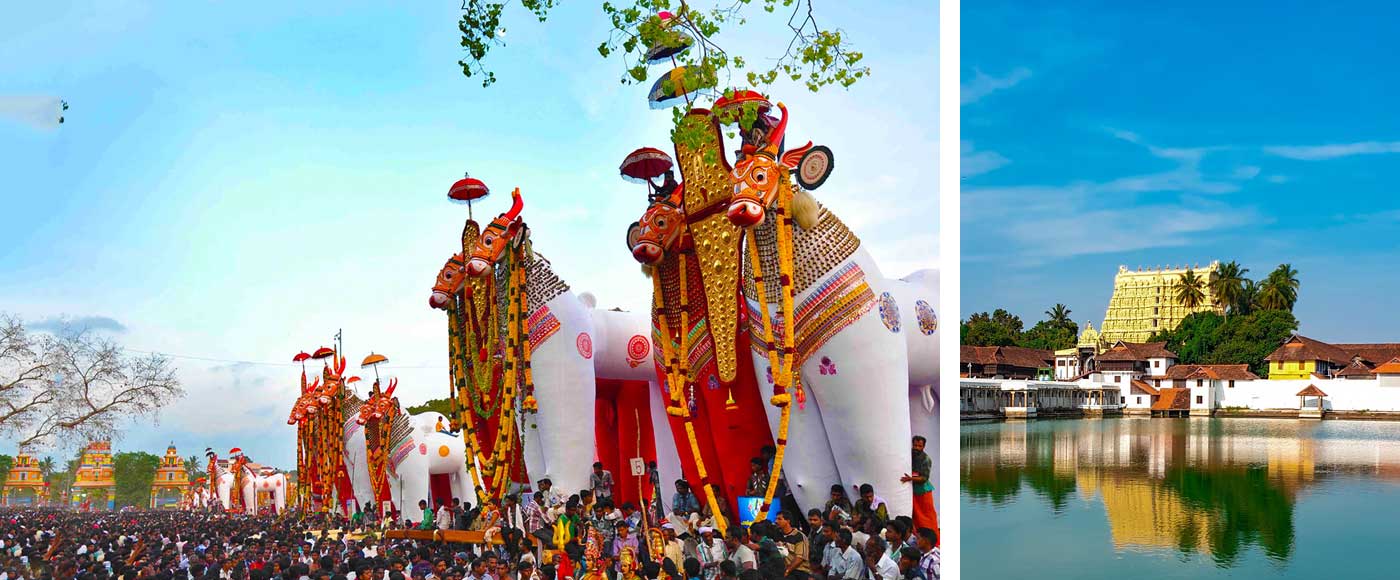
The temple experience in both destinations feels spiritual, authentic, and deeply connected to ancient traditions.
Rice Fields and Agriculture – Green Landscapes Everywhere
Rice cultivation is an important part of life in both Bali and Kerala.
Bali
Bali’s famous rice terraces, especially around Ubud and Tegallalang, are designed beautifully and have become iconic tourist attractions.
Kerala
Kerala also has vast paddy fields, especially in:
- Alleppey
- Palakkad
- Thrissur
However, Kerala’s rice fields remain more agricultural and less commercialised compared to Bali.
Fruits and Tropical Food
Both destinations grow similar tropical fruits, including:
- Banana
- Jackfruit
- Mango
- Papaya
- Pineapple
- Dragon Fruit
- Rambutan
- Oranges
Fresh coconut water, tropical juices, seafood, and rice-based cuisine are common in both places.
Food Difference
- Bali Cuisine: More Indonesian flavours, grilled meats, satay, sambal, smoothie bowls, and café culture
- Kerala Cuisine: Rich spices, coconut-based curries, seafood, vegetarian meals, dosa, appam, and traditional sadya served on banana leaves
Kerala is especially famous for spices like:
- Pepper
- Cardamom
- Cloves
- Cinnamon
- Coffee
Beaches – Bali Wins for Beach Activities
If beaches are your main priority, Bali has an advantage.
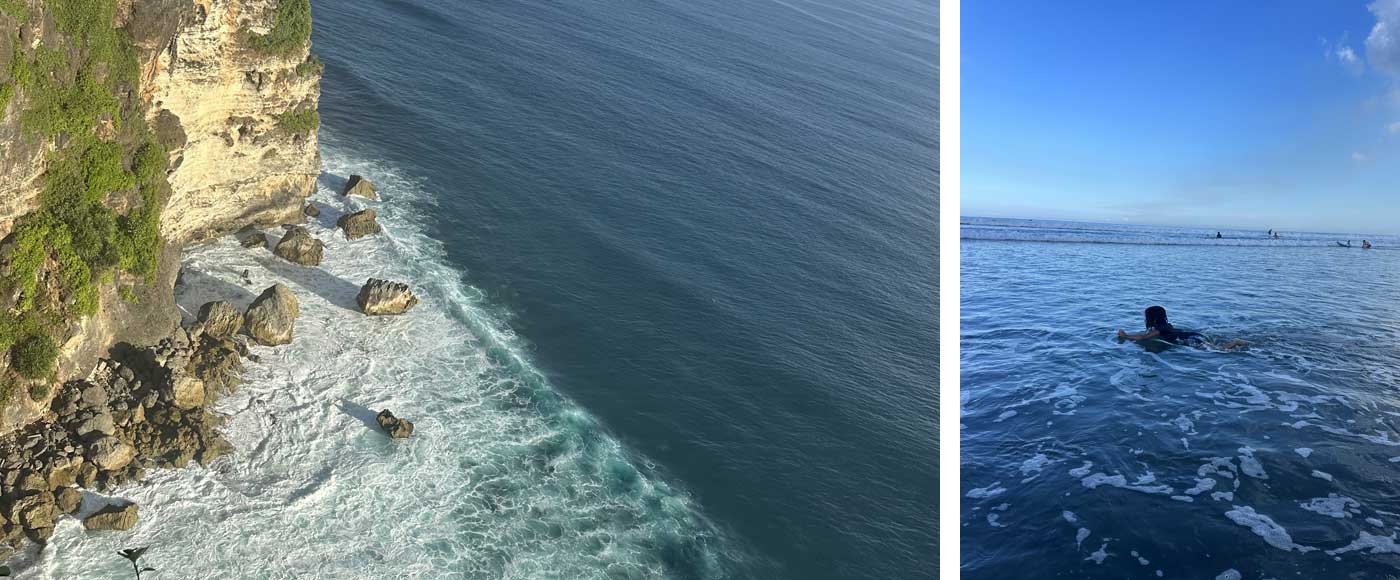
Bali Beaches
- Long shallow beaches
- Ideal for surfing
- Beach clubs and nightlife
- Island hopping experiences
- Water sports and diving
In many Bali beaches, you can walk nearly one kilometer into the sea due to shallow waters.
Kerala Beaches
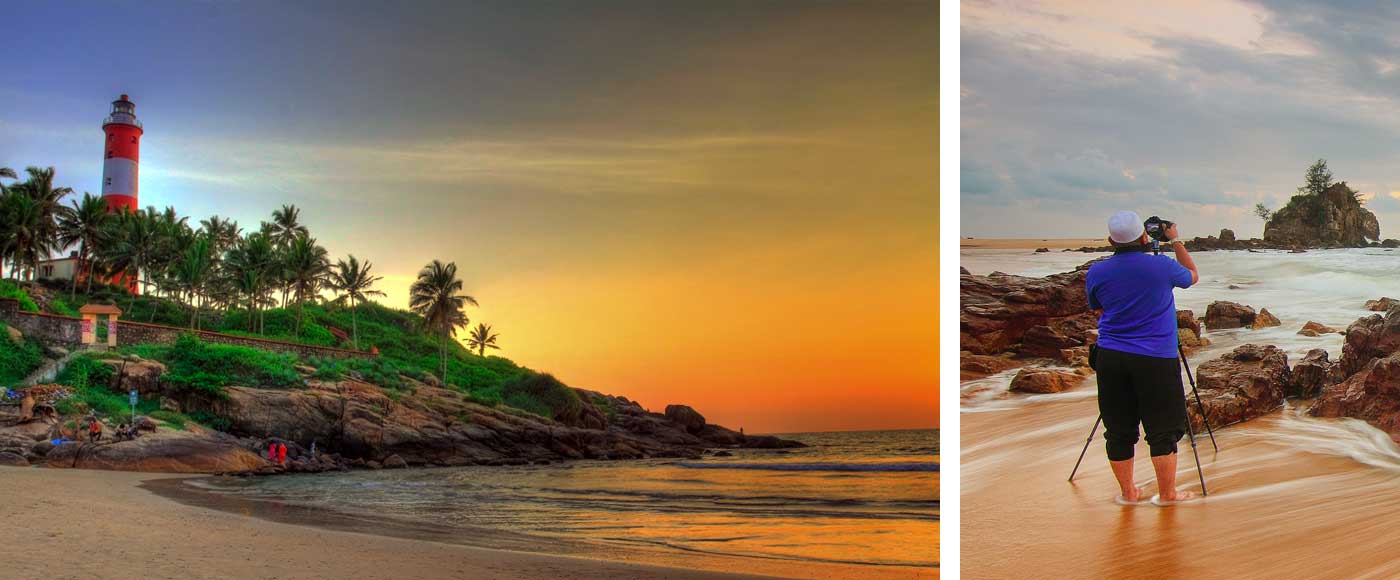
Kerala beaches are scenic and peaceful but not shallow. They are better for:
- Relaxation
- Sunset views
- Ayurveda resorts
- Quiet coastal stays
Popular beaches in Kerala include:
- Kovalam
- Varkala
- Marari
Backwaters – Kerala’s Unique Experience
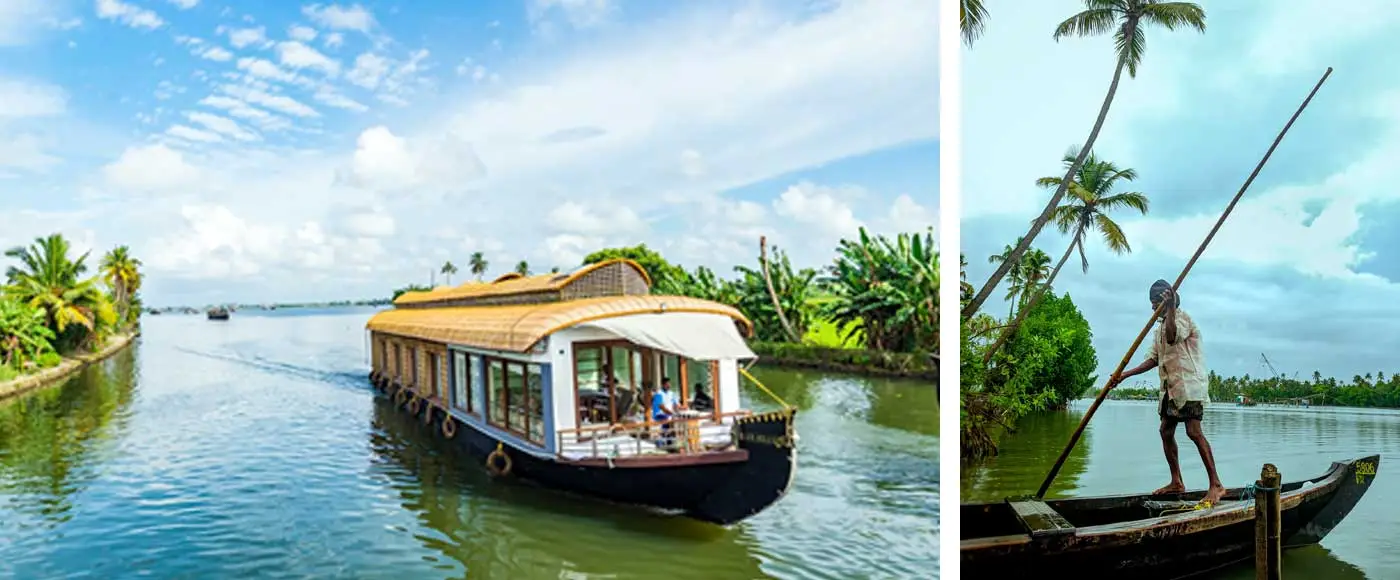
Kerala offers something Bali does not — the magical backwaters.
The interconnected lakes, canals, and lagoons of Alleppey and Kumarakom create one of the world’s most unique travel experiences.
Kerala Backwater Highlights
- Luxury houseboats
- Lake resorts
- Village life experiences
- Canoe rides through narrow canals
- Bird watching and fishing
A night on a Kerala houseboat is often the highlight of a South India trip.
Wildlife and Nature
Kerala has much richer wildlife diversity compared to Bali.
Wildlife Found in Kerala
- Elephants
- Tigers
- Deer
- Indian bison (gaur)
- Monkeys
- Giant squirrels
- Exotic birds
Famous Wildlife Sanctuaries
- Periyar
- Muthanga
- Parambikulam
- Chinnar
Kerala also has beautiful hill stations such as:
- Munnar
- Vagamon
- Wayanad
These regions are filled with tea gardens, waterfalls, forests, and spice plantations.
Bali Wildlife
Bali’s most famous wildlife attraction is its monkey forests, especially around Ubud. Bali is more focused on beaches, culture, temples, and island landscapes than wildlife safaris.
Wellness – Ayurveda vs Balinese Spa
Both Kerala and Bali are globally famous wellness destinations, but the approach is very different.

Kerala Ayurveda
Kerala is considered the birthplace and global centre of authentic Ayurveda.
Treatments include:
- Abhyanga massage
- Shirodhara
- Kizhi
- Panchakarma detox therapies
- Herbal medicines
- Ayurvedic vegetarian diet
- Yoga and meditation
Ayurveda focuses on healing the body and mind from within.
Balinese Spa
Balinese spa treatments are more relaxation-oriented and include:
- Aromatic oils
- Deep tissue massages
- Flower baths
- Spa rituals
Balinese spa experiences are luxurious and soothing, while Ayurveda is more therapeutic and medical.
Accommodation and Travel Style
Both Bali and Kerala are excellent for:
- Private tours
- Chauffeur-driven cars
- Luxury resorts
- Honeymoon travel
- Family vacations
- Solo wellness trips
Bali
More international café culture, digital nomad spaces, beach villas, and nightlife.
Kerala
More traditional, nature-focused, peaceful, and culturally immersive.
Budget Comparison
Approximate exchange rates:
- 1 US Dollar ≈ 96 Indian Rupees
- 1 US Dollar ≈ 17,800 Indonesian Rupiah
Both destinations can suit luxury travellers as well as budget travellers.
Bali
Generally cheaper for luxury villas and beach resorts.
Kerala
Excellent value for wellness retreats, luxury resorts, and private tours.
Ideal Trip Duration
A one-week trip works perfectly for both destinations.
Suggested Duration
- Kerala: 7 to 10 days
- Bali: 7 to 10 days
Which Destination Should You Choose?
Choose Bali If You Want:
- Better beaches
- Surfing and island hopping
- Beach clubs and nightlife
- Instagram-friendly cafés
- Shallow beaches and water sports
- International tourist vibe
Choose Kerala If You Want:
- Ayurveda and yoga
- Wildlife and nature
- Backwaters and houseboats
- Tea plantations and mountains
- Rich cultural diversity
- Authentic local experiences
- Spiritual and wellness travel
Final Thoughts
Bali and Kerala are not competitors – they are two beautiful tropical destinations offering different kinds of experiences.
Bali is vibrant, beach-oriented, artistic, and globally trendy.
Kerala is soulful, greener, deeply rooted in tradition, and ideal for travellers seeking nature, wellness, culture, and slow travel.
If possible, both destinations deserve a place on every traveller’s bucket list.
Check our Kerala tour packages.https://www.keralatourpackages.com/south-india-trip-for-international-travellers/

About the author: Anish Kumar P.K
Anish Kumar P.K is the Founder & CEO of The Travel Planners, an award-winning Kerala destination management company specializing in personalized Kerala and South India holidays. With over 26 years of experience in the travel and tourism industry, Anish has helped thousands of international and domestic travellers experience Kerala through carefully curated private tours, luxury holidays, Ayurveda retreats, family vacations, honeymoon packages, and cultural journeys.
Since establishing The Travel Planners in 1999, Anish has built one of Kerala’s most trusted travel brands by combining local expertise, personalized service, and authentic travel experiences. The company operates with its own fleet of premium tourist vehicles, including Innova Crysta, Tempo Travellers, and luxury Urbania mini coaches, and also owns boutique hospitality properties including The Ayur Villa in Kovalam and The Villa Romantica near Cochin International Airport, ensuring quality service from arrival to departure.
Kerala Tourism Leader & Industry Expert
Beyond running The Travel Planners, Anish has played an active role in shaping Kerala’s tourism industry.
His leadership roles include:
- President, Association of Tourism Trade Organisations, India (ATTOI).
- Former Secretary, Kerala Travel Mart Society (KTM).
- Member, Kerala State Tourism Advisory Board.
- Member, Board of Directors, Kerala Institute of Tourism and Travel Studies (KITTS).
He has been actively involved in tourism policy discussions, destination marketing initiatives, and promoting Kerala as a world-class travel destination through industry collaborations and international tourism events.
National & Kerala Tourism Award Winner
Anish is a recipient of prestigious National Tourism and Kerala State Tourism Awards for excellence in tourism and innovation. His contributions have been recognized for promoting Kerala tourism through quality travel experiences, technology adoption, and destination marketing.
Speaker, Mentor & Podcast Host
Anish is a frequent guest speaker at leading tourism and management institutions, including IIM and KITTS, where he shares practical insights on tourism entrepreneurship, destination marketing, digital tourism, and the future of travel.
He also hosts The Kerala Conversations Podcast, where he explores Kerala’s tourism stories, hidden destinations, hospitality trends, culture, Ayurveda, wellness, and conversations with tourism leaders and travel experts.Through his travel guides, destination articles, and curated itineraries, Anish shares trusted advice on Kerala Tour Packages, Kerala Holiday Packages, Honeymoon Tours, Luxury Kerala Travel, Family Holidays, Ayurveda & Yoga Retreats, Sabarimala Pilgrimage Tours, and South India travel experiences.